Agricultural Pumps: Maintenance Tips to Extend Pump Life for Deniliquin, NSW
Farmers in the Riverina region know that water is everything. When an agricultural pump fails mid-season, it can put entire crops at risk and cost far more than a simple call-out would have. Regular, planned maintenance is the most effective way to keep your agricultural pumps in Deniliquin, NSW, running at full capacity, season after season.
The Deniliquin, NSW, area sits within one of Australia's most productive irrigated farming regions, drawing heavily on the Murray-Darling Basin water system. Broadacre crops, rice, pasture, and mixed farming all depend on reliable water delivery. For farmers relying on irrigation equipment, keeping equipment in sound condition is not just a matter of convenience. It is a core part of running a viable operation.
This guide covers the key maintenance steps that can help extend the life of your irrigation equipment, reduce unplanned downtime, and make the most of every megalitre your water licence allows.
Why Regular Maintenance Matters for Irrigation Equipment
Pump wear is gradual and often invisible until it becomes a serious problem. Internal components like impellers, seals, and bearings experience constant stress during the irrigation season. Without routine attention, small issues can compound into major failures at exactly the wrong time.
Irrigation equipment that is losing efficiency will use more fuel or electricity to move the same volume of water. Over a full irrigation season, that hidden inefficiency adds up to significant cost. Proactive servicing catches these issues early, when repairs are minor and inexpensive.
The Cost of Neglect
Deferred maintenance on agricultural pumps rarely saves money. What might be a straightforward seal replacement can escalate into impeller damage, bearing failure, and full pump rehabilitation if left unaddressed. Planned servicing keeps costs predictable and avoids the risk of a breakdown during peak water demand.
Pre-Season Inspection: Start Right Before the Water Flows
The best time to identify problems is before the season begins, not once paddocks need water. A thorough pre-season inspection of your irrigation equipment gives you time to source parts and arrange repairs without urgency.
Key Pre-Season Checks
Work through the following before each irrigation season:
- Inspect the pump casing for cracks, corrosion, or any visible damage that may have developed over the off-season.
- Check that all mounting bolts and fasteners are tight, as vibration during operation can loosen hardware over time.
- Examine suction and discharge lines for leaks, worn fittings, or blocked inlets that could restrict flow.
- Test the motor or engine for correct starting, unusual noise, and proper voltage or fuel supply.
- Verify that safety guards and protective covers are in place and undamaged.
Carrying out these checks before the season means you enter your busiest period with confidence in your equipment.
Routine In-Season Maintenance Tasks for Agricultural Pumps
During active irrigation periods, water pumps work hard. Regular checks throughout the season help catch issues before they affect water delivery.
Monitor Pump Performance Continuously
One of the simplest maintenance habits is watching for changes in pump behaviour. A drop in flow rate, unusual vibration, or new sounds can all signal that something needs attention. Fitting a pressure gauge at the pump and monitoring it regularly gives you a reliable reference point for normal operating conditions.
If output drops noticeably without any change in demand, it is worth investigating before assuming the water source is the problem. Internal wear or a partially blocked filter is often the cause.
Clean Intake Filters and Screens Regularly
Blocked screens and inlet filters reduce flow and force the pump to work harder than it should. In the Deniliquin, NSW, area, irrigation water drawn from channels and drains often carries debris, aquatic weed, and sediment, especially early in the season or after rainfall events.
Check and clean intake filters at frequent intervals, particularly after any weather event that may have stirred up the water source. The frequency will depend on your water quality and the volume being pumped, but a weekly check during peak operation is a reasonable starting point.
Lubricate Bearings and Moving Parts
Bearing failure is one of the most common causes of agricultural pumps breaking down and is largely preventable with correct lubrication. Follow the manufacturer's specifications for lubricant type and application frequency. Over-greasing can be just as damaging as under-greasing, so apply the right amount at the recommended intervals rather than guessing.
Check shaft seals at the same time. Worn or leaking seals allow air or water to enter the pump casing and reduce efficiency. Replacing seals at the first sign of wear is considerably cheaper than allowing the issue to damage surrounding components.
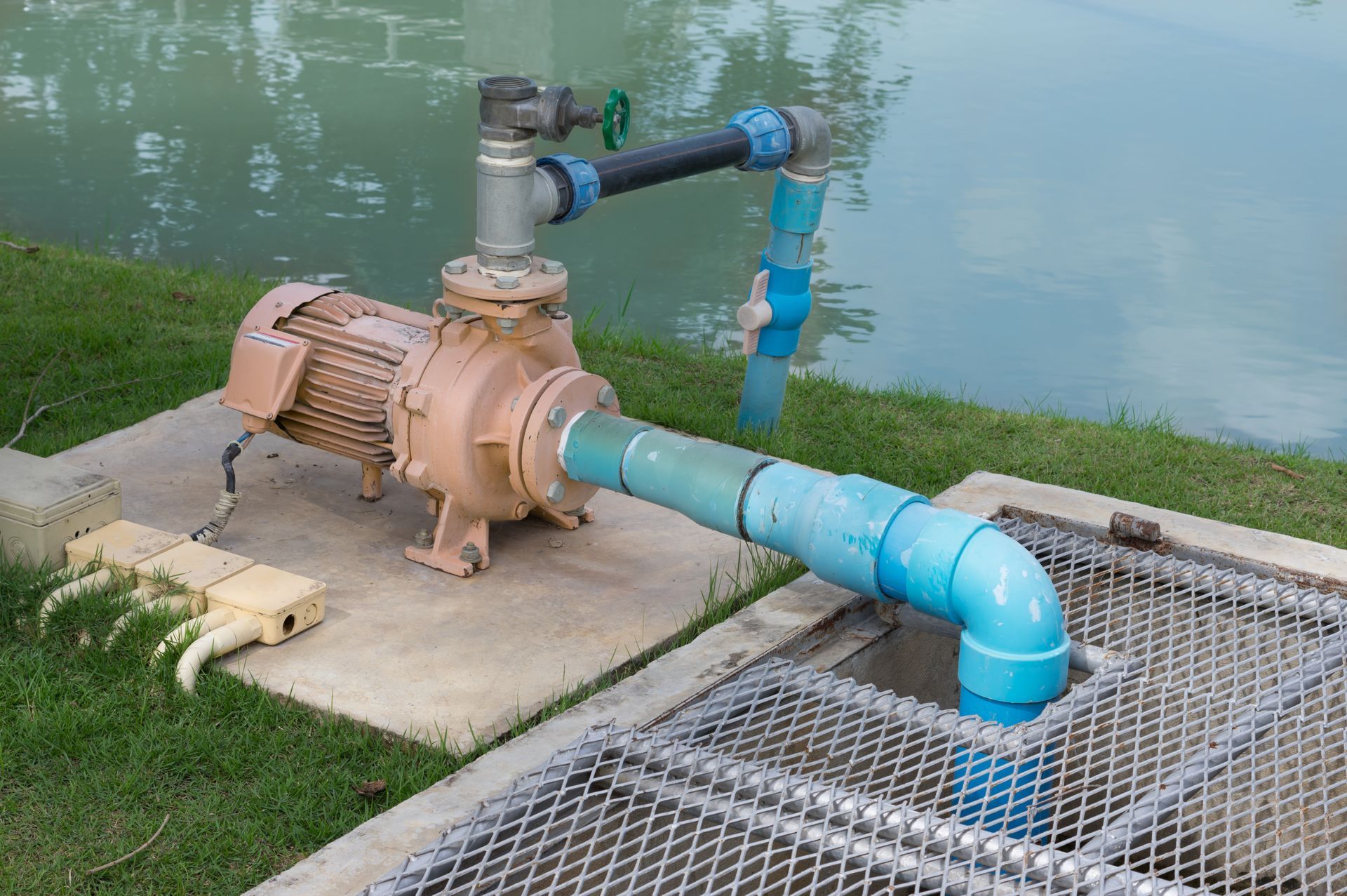
Checking Seals, Gaskets, and Connections
Seals and gaskets keep water where it belongs. Any sign of external leakage around the pump body, fittings, or shaft should be investigated immediately. Even a small leak can indicate that internal pressure is not being maintained correctly, which affects both output and energy consumption.
Inspect Shaft Seals and Mechanical Seals
Mechanical seals control leakage between the rotating shaft and the stationary pump casing. They are subject to wear and require inspection at least at the start and end of each irrigation season. Signs of seal wear include visible drips around the shaft, reduced output pressure, or a slight grinding noise.
Check All Hose and Pipe Connections
Suction-side air leaks are a frequent problem with agricultural pumps used for irrigation. Even a small gap in a suction fitting can cause the pump to lose prime or run with reduced efficiency. Inspect all clamps, fittings, and flexible hose connections before each season and after any maintenance that involved disassembly.
End-of-Season Shutdown and Storage
How you put a pump away for the off-season has a direct impact on how well it performs when you need it next time. A proper shutdown procedure protects internal components from corrosion and deterioration during extended storage.
Flushing and Draining the Pump
After the final irrigation run of the season, flush the pump with clean water to remove sediment and organic matter from the casing. Drain all water from the pump body and associated pipework. Standing water left inside the pump over winter can cause corrosion, scale buildup, and damage to seals and impellers.
Protecting the Engine or Motor
If your pump is powered by a petrol or diesel engine, follow the engine manufacturer's guidance for off-season storage. This typically includes running the fuel system down or adding a fuel stabiliser, changing the oil if it is due, and storing the agricultural pumps in a dry, sheltered location. For electric motors, ensure all electrical connections are protected from moisture and rodent damage.
Document What You Find
Keep a simple maintenance log for each pump on the property. Record what was inspected, any issues found, parts replaced, and the date of each service. Over time, this record helps identify patterns, such as a seal that needs replacement every two seasons, and allows you to plan purchases and servicing well in advance.
When to Call a Professional
Some maintenance tasks are straightforward and can be handled on-farm. Others require specialist knowledge, tools, or parts that are not always readily available. Knowing when to bring in experienced help is part of responsible equipment management.
Signs that irrigation equipment requires professional assessment include: persistent loss of pressure or flow despite cleaning and filter checks, unusual vibration or noise that cannot be traced to a visible cause, repeated seal failures, and any sign of electrical faults in motor-driven systems.
An irrigation pump service carried out by someone familiar with broadacre systems in southern NSW can often identify the root cause quickly and prevent further damage. Waiting until a breakdown forces the issue almost always results in a larger repair bill and lost irrigation time.
Water Efficiency and Pump Performance
In the Riverina, water is a licensed and finite resource. Agricultural pumps that are not performing at their rated efficiency waste both water and energy. Over a full growing season, even a modest drop in pump efficiency can mean significantly more fuel or electricity consumed to move the same volume of water.
Maintaining your irrigation equipment in good working order directly supports water use efficiency. A well-maintained pump delivers water at the correct flow rate and pressure, which means channel runs or bay irrigation can be managed accurately. Poor pump performance leads to uneven water distribution, over-irrigation in some areas and under-irrigation in others, and reduced crop outcomes.
Regular performance testing, comparing current output against original specifications, is a practical way to identify efficiency losses before they become severe. Pressure gauges and flow metres, as recommended for both electric and diesel pump systems, give you the data needed to track performance over time.
Summary of Key Maintenance Tasks
The following tasks, carried out at appropriate intervals, form the basis of a sound agricultural pump maintenance programme:
- Conduct a full pre-season inspection covering casing, fittings, mountings, and the engine or motor.
- Clean the agricultural pumps, intake screens and filters regularly throughout the irrigation season.
- Lubricate bearings and check shaft seals at manufacturer-recommended intervals.
- Monitor pump output and pressure throughout operation to detect early signs of wear.
- Inspect all suction-side connections for air leaks before each season.
- Flush, drain, and properly store the pump at the end of each season.
- Keep a written maintenance log for every pump on the property.
- Arrange professional servicing
when issues fall outside routine care.
Get Reliable Irrigation Support for Our Farming Community Today
For farmers looking for reliable support with agricultural pumps, Pine Rise Pumps brings over 22 years of experience in agricultural pump supply and irrigation systems across southern NSW. Whether you need advice on a specific pump issue or want to discuss a service arrangement before next season, the team is available Monday to Friday. Get in touch today to talk through your irrigation needs.