
Choosing the Right Agricultural Pump for Your Deniliquin Farm: A Comprehensive Guide
Selecting the right agricultural pumps is a critical step for farmers and agricultural professionals in Deniliquin looking to optimise water use, improve crop yields, and manage resources efficiently. Given Deniliquin’s unique climate, soil characteristics, and water availability, making an informed choice about agricultural pumps can enhance farm productivity and reduce operational expenses. This comprehensive guide will walk you through the different pump types suitable for the region, key factors to consider, and practical tips for installation and maintenance—helping you make a choice that fits your farm’s water needs perfectly.
Understanding Agricultural Pumps for Deniliquin Conditions
Deniliquin, NSW, experiences a semi-arid climate characterised by hot, dry summers and periodic rainfall during cooler months. The soil varies across the region from sandy loam to heavier clay textures, which affects water retention and irrigation needs. Given these conditions, selecting the right agricultural pumps for irrigation and water management requires a thorough understanding of your farm’s specific environment.
Here are the most common types of agricultural pumps suitable for Deniliquin farms:
- Centrifugal pumps:
These are widely used due to their reliability and ability to deliver large volumes of water. They operate by converting rotational energy into kinetic energy, suitable for surface water sources such as rivers, dams, or irrigation channels. - Submersible pumps:
Designed to operate underwater, submersible pumps are perfect for extracting groundwater from deep bores or wells. Their sealed motor design makes them durable and efficient at minimising water loss during pumping. - Turbine pumps:
These pumps are efficient in lifting water from deep or fluctuating sources. Large-scale irrigation setups commonly use turbine pumps due to their high pressure and flow rates.
Step-by-Step Guide to Selecting the Right Agricultural Pumps
Choosing agricultural pumps isn’t just about picking the most popular model—it requires careful assessment of your farm’s needs and conditions. Here’s a step-by-step approach tailored for Deniliquin farmers:
1. Assess Your Farm Size and Water Demand
Different farm sizes require varying water volumes. Large-scale farms cultivating crops like rice, wheat, or cotton often need pumps capable of high flow rates to supply extensive irrigation networks. Conversely, smaller farms or those focusing on horticulture might prioritise precision over volume. Calculating your daily irrigation requirements based on crop water needs and local evapotranspiration rates helps you identify the pump capacity necessary.
2. Identify Your Water Source Characteristics
Water sources in Deniliquin include groundwater bores, rivers like the Edward River, farm dams, and recycled water. The depth, quality, and availability of water heavily influence pump selection. For deep bores, submersible pumps are typically most effective. Surface water sources favour centrifugal or turbine pumps. Matching pump type to water source helps avoid issues like cavitation, dry running, or clogging.
3. Consider Crop Type and Irrigation Method
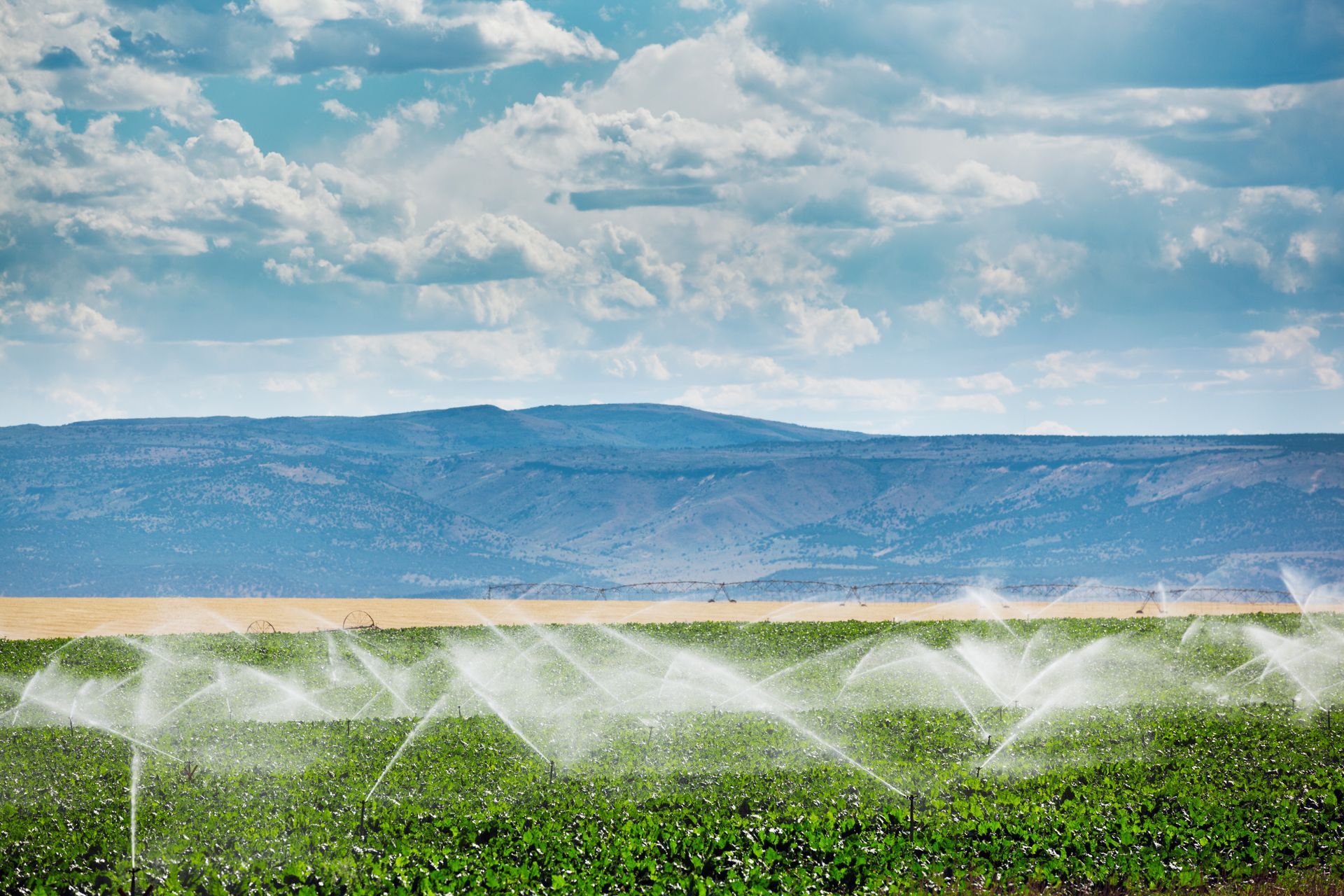
Crop varieties have different water consumption patterns. For example, pastures may require frequent, low-volume watering, while broadacre crops might need heavy but less frequent irrigation. Additionally, irrigation methods such as drip, sprinkler, or centre-pivot systems have distinct pressure and flow demands. Selecting agricultural pumps that maintain a steady and controllable flow is key to maintaining crop health and maximising yields.
4. Evaluate Energy Efficiency for Cost Savings
Energy consumption is a major operational cost for farms in Deniliquin, especially during prolonged irrigation periods. Pumps with variable speed drives allow adjustment of flow rates to match irrigation demands, reducing unnecessary energy use. Look for pumps with energy-efficient motors and good seals to prevent leakage and mechanical wear. Though sometimes higher upfront, energy-efficient agricultural pumps reduce ongoing electricity or fuel bills substantially.
5. Factor in Durability and Maintenance Requirements
Pumps operating in dusty, sandy, or abrasive environments require robust components and regular servicing. Consider models constructed from corrosion-resistant materials like stainless steel or coated alloys. Easy access for maintenance tasks, availability of spare parts, and local servicing expertise can save time and expenses down the line.
Installation and Maintenance Tips to Maximise Pump Performance
Once you’ve selected the appropriate agricultural pumps, proper installation and routine maintenance ensure long-term success. Here are some practical tips:
- Proper siting and setup: Position pumps on firm, level ground clear of excessive dust or flood risk. Ensure electrical supply lines and control panels are located safely and comply with safety standards.
- Water source protection: Fit strainers and filters at water intakes to avoid sediment or debris entering the pump system, which can cause blockage or damage.
- Routine inspections: Regularly check bearings, seals, impellers, and couplings for wear or damage. Early detection prevents breakdowns and costly repairs.
- Lubrication and cleaning: Follow manufacturer recommendations for lubrication intervals. Keep the pump housing clean to prevent overheating and preserve efficiency.
- Off-season care: During periods of non-use, drain pumps completely to prevent freezing or corrosion, especially if stored outdoors.
For in-depth installation tips and maintenance guides, consult our irrigation pumps resource specifically tailored to agricultural pump management.
Choosing Agricultural Pumps for Deniliquin Farms: Your Next Steps
Selecting the right agricultural pumps is a strategic choice that directly impacts your farm’s water efficiency, crop health, and cost management. Deniliquin farmers must consider farm size, water sources, crop types, energy use, and maintenance when making this decision. Investing time into choosing a pump system that suits your unique environment ensures years of reliable, efficient operation.
Contact Pine Rise Pumps Today for Expert Agricultural Pump Solutions in Deniliquin, NSW.
Don’t let inadequate pumping equipment hold your farm back. Reach out to Pine Rise Pumps in Deniliquin for personalised consultations and solutions designed specifically for your agricultural operations. Whether you need help with pump selection, installation, or ongoing maintenance, we’re here to support you every step of the way.
Contact Pine Rise Pumps today and take the first step towards optimising your farm’s water management with the best agricultural pumps available.